
The College Admissions Process Has Changed.
Most Families Haven't Been Told.
AI-powered enrollment management algorithms are scoring your student before a single application is reviewed. Most families have no idea this system exists — let alone that it determines not just acceptance, but how much merit aid a college will offer. Here's what that means for your family — and exactly what you can do about it.
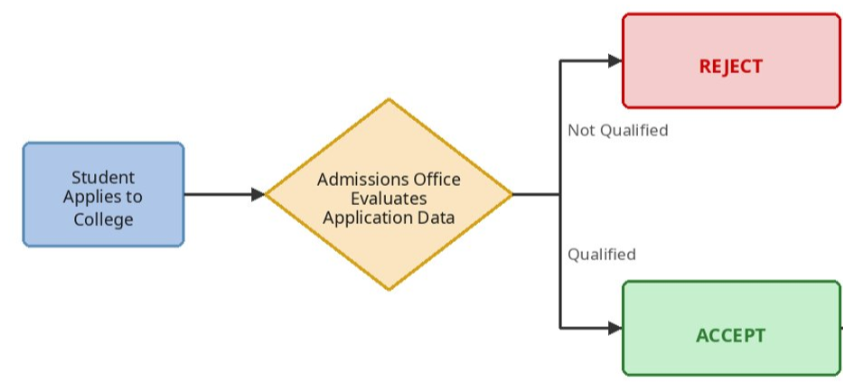
THE MYTH: The Map Most Families Are Using
For Most Families, This Is the Entire Admissions Process
Most parents and students believe college admissions come down to one thing: academic qualifications. You apply, the college evaluates your grades and test scores, and you get accepted or rejected. It is a clean, simple model — and it is entirely incomplete.
Academic review is not the whole process. It is simply the first filter.
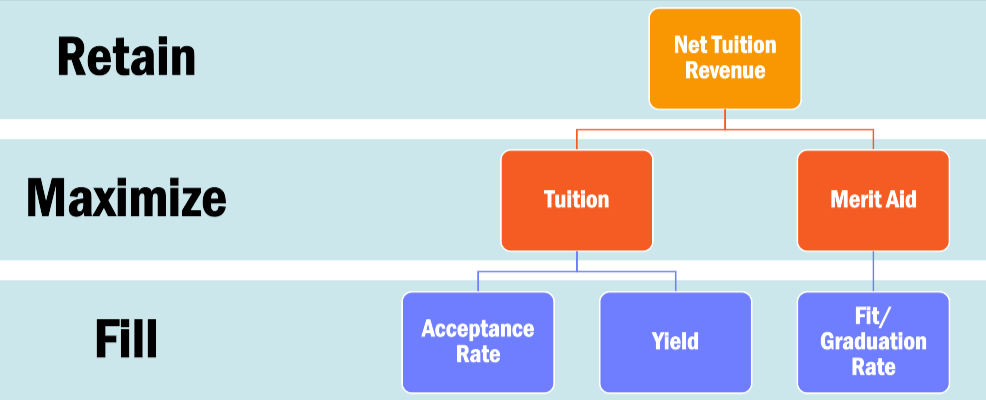
THE TRUTH: The Business of College
Colleges Are Running a Business. Admissions Is How They Manage It.
To understand how admissions decisions are actually made, you have to understand what colleges are trying to achieve. Every institution has a three-part mandate that drives every decision they make:
Fill the class — Empty seats mean lost revenue.
Maximize net tuition revenue — They need to balance students who need aid with students who can pay full price.
Retain students — A student who transfers out after freshman year costs the college significantly.
Admissions is not just about rewarding academic excellence. It is about building a class that meets those three business objectives.

THE TECHNOLOGY: Artificial Intelligence and Algorithms
These Are the AI Tools Colleges Are Using Right Now
Colleges are not making enrollment decisions with spreadsheets and intuition. They are using enterprise-grade AI platforms built specifically to predict which applicants will enroll, stay, and pay.
Platforms like Ellucian, Slate, EAB, RNL, Othot, and Encoura are deployed by hundreds of colleges to score, rank, and manage every applicant in their pipeline. AI is no longer a peripheral technology in higher education. Elite and selective schools are at near-100% adoption, and the national average exceeds 80%.
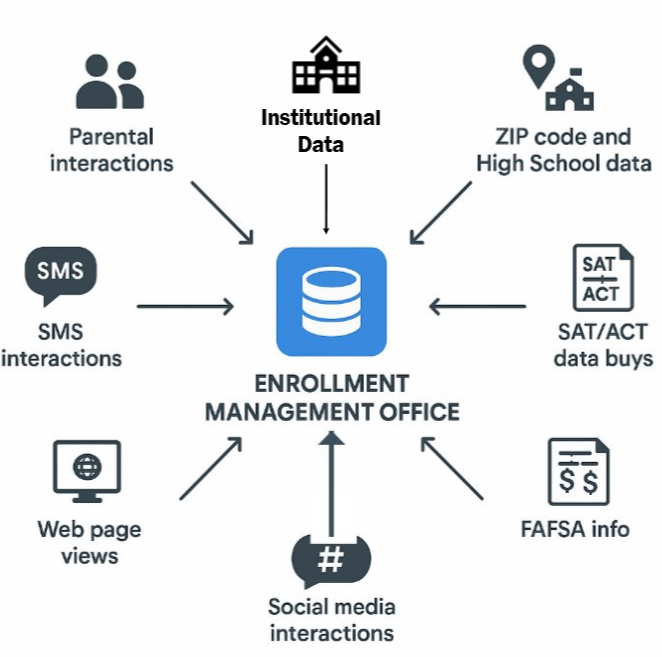
THE DATA: What They Know About Your Student
The Algorithm Feeds on Data You Didn't Know You Were Providing
Before your student submits a single application, colleges may already have a detailed profile of them — built from data sources most families have never considered.
These algorithms ingest a massive amount of data to generate a single "likelihood to enroll" score. The data pipeline includes:
• Web page visits and digital interactions
• Social media behavior and engagement
• SAT/ACT data purchases
• FAFSA information and financial indicators
• ZIP code demographics and socioeconomic data
• Institutional historical data
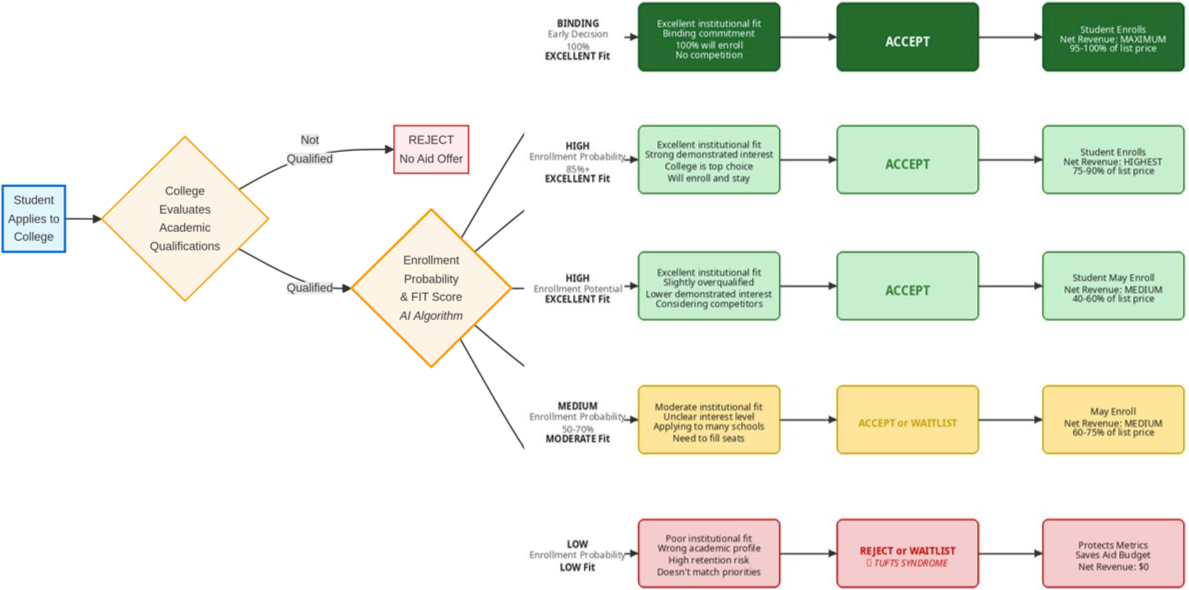
THE FULL PICTURE: Enrollment Management Decoded
Being Academically Qualified Is Only the Beginning
Once a student passes the initial academic filter, the real evaluation begins. Colleges score every qualified applicant on enrollment probability and institutional fit — and those scores determine both admission and financial aid.
Students are sorted into enrollment tiers. A student with high enrollment probability and excellent fit will receive the smallest tuition discount — because the college knows they will likely enroll regardless of the financial incentive. Conversely, a student the college desperately needs to recruit to meet their metrics will receive the largest merit aid package.

DEMONSTRATED INTEREST: What’s Your Likelihood to Enroll?
Colleges That Track Demonstrated Interest Tend To Be Selective and Private.
Demonstrated interest — the measurable signals a student sends to show genuine enthusiasm for a college — is one of the most powerful and least understood levers in the admissions process. Selective private colleges are paying very close attention.
Website visits from your home IP address, email opens, link clicks, campus tour registrations, and social media interactions all feed into the picture colleges build of your student's likelihood to enroll. If a student is not actively signaling interest, the algorithm assumes they are not interested — which directly impacts their admission chances and merit aid offers.
DIGITAL PRESENCE: The LinkedIn Advantage
LinkedIn Is Not a Job Board. It's an Admissions Tool.
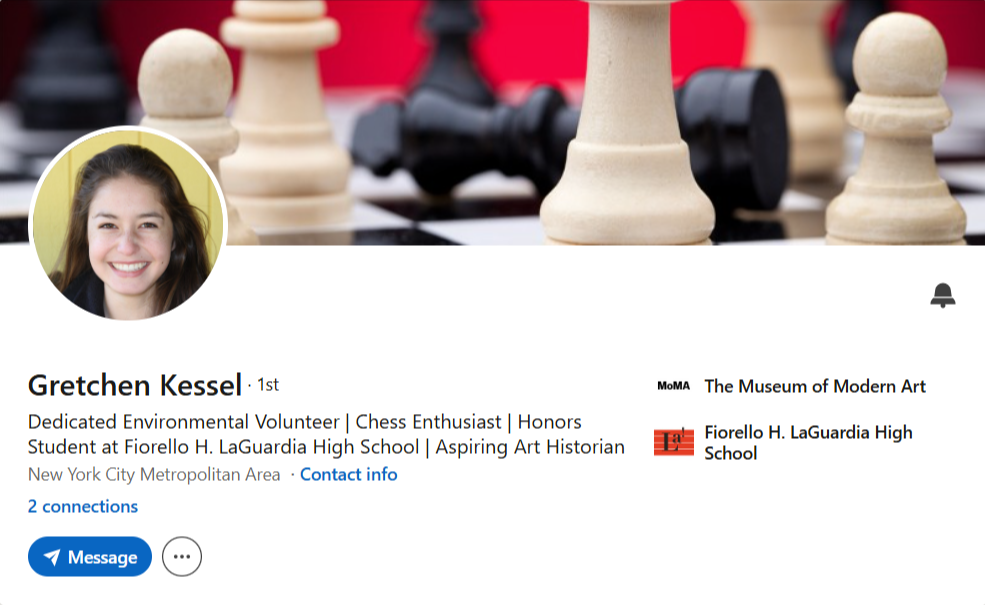
Your student's LinkedIn profile is one of the most powerful tools available to them — and most students don't have one. Harvard's own admissions office has confirmed that if a student sends a link that makes the best possible case for their admission, they will look at it. A well-crafted LinkedIn profile is exactly that link.
LinkedIn is not a resume. It is a character statement. The Featured section, About statement, and activity feed let students show who they are — their passions, their community involvement, their intellectual curiosity — in ways a transcript never could. It is also the most direct way to follow target colleges, connect with admissions staff, and send clear, trackable signals of demonstrated interest.
“There are currently 2,637 four-year public and private undergraduate colleges in the USA. Some are very hard to get into. Most are not. Some won’t assess character and fit. Most will. Some don’t care about enrollment yield. Most do. Some won’t look at social media. Most will.”